Why Strength Training is Essential for Healthy Aging
Maintaining strength becomes increasingly important as we age — not to lift heavier weights or train for athletic competition, but to preserve the freedom to live life on our own terms. Whether it’s carrying packages home, climbing stairs, exploring Central Park, or traveling with confidence, muscle strength supports many of the everyday activities that contribute to an active, independent lifestyle.
While it’s common to associate aging with an inevitable decline in strength, research tells a far more encouraging story. Strength training, also known as resistance training, is one of the most effective ways to maintain muscle mass, improve balance, support bone health, and preserve mobility well into later life.
In fact, many healthcare professionals now consider strength training one of the foundational pillars of healthy aging. Alongside regular cardiovascular exercise, proper nutrition, restorative sleep, and social connection, it helps build the physical resilience that allows us to remain engaged in the lifestyle we choose.
The encouraging news is that it’s never too late to get started. Whether you’re new to exercise or returning after time away, a thoughtfully designed strength training program can provide meaningful benefits at virtually any age.
What is Sarcopenia?
If you’ve noticed everyday activities becoming more physically demanding than they once were, you’re not alone. One reason is a natural age-related process known as sarcopenia.
Beginning as early as our thirties, we gradually, naturally, lose muscle mass and strength. This process accelerates later in life, particularly after age 60, making routine activities such as climbing stairs, getting up from a chair, or carrying shopping bags feel more challenging than they once did.
Sarcopenia affects more than muscle size. As strength declines, balance, mobility, and endurance may also change, increasing the likelihood of falls and making recovery from illness or injury more difficult.
Fortunately, sarcopenia is not an unavoidable consequence of aging.
Research consistently shows that resistance training, combined with an adequate protein intake and regular physical activity, can slow, and in many cases partially reverse, age-related muscle loss. The human body continues adapting throughout life, meaning older adults remain capable of building strength, improving function, and maintaining independence.
Rather than focusing on turning back the clock, strength training helps us preserve something even more valuable: the ability to continue living life with confidence and freedom.
Why Strength Training Matters After 65
When people think about exercise, cardiovascular activities such as walking, cycling, or swimming often come to mind first. These activities are excellent for heart health and endurance, but they only address one aspect of physical wellness.
Strength training offers benefits that cardio alone cannot.
By placing muscles under controlled resistance, whether through body weight, resistance bands, weight machines, or free weights, the body responds by strengthening muscles, improving coordination, and supporting the skeletal system.
For older adults, these adaptations can have a meaningful impact on daily life.
Strength training helps maintain muscle mass.
One of the most significant benefits of resistance training is its ability to slow the natural loss of muscle associated with aging. Maintaining muscle makes everyday movements more efficient and helps support continued independence.
It supports bone health.
Strength training places healthy stress on bones, encouraging them to remain strong. This can be particularly important for older adults concerned about bone density or osteoporosis.
It improves balance and stability.
Many falls occur not because someone lacks balance alone, but because they lack the strength to recover when they lose their balance. Building stronger muscles throughout the legs, hips, back, and core can help improve stability and reduce fall risk.
It makes everyday activities easier.
Fitness professionals often refer to this as functional strength, the ability to perform everyday movements with confidence. This includes such activities as getting out of a low chair, lifting luggage into an overhead compartment, carrying groceries, playing with grandchildren, and walking longer distances without fatigue. Strength training directly supports each of these daily activities and many others.
It may benefit brain health.
An increasing body of research suggests regular physical activity, including resistance training, may support cognitive health alongside physical well-being. Exercise improves circulation, encourages healthy sleep, reduces stress, and contributes to overall brain function as we age.
It promotes healthy longevity.
Perhaps most importantly, strength training isn’t simply about adding years to life. It’s about adding life to those years.
Maintaining strength supports confidence, mobility, resilience, and the ability to continue participating in meaningful experiences, whether that’s attending cultural events, traveling, pursuing lifelong interests, or simply enjoying everyday routines with greater ease.
Read how exercise can boost your energy and improve your health as you age.
Is Strength Training Safe for Older Adults?
One of the most common questions people ask is whether it’s safe to begin lifting weights later in life.
For most healthy older adults, the answer is yes.
In fact, organizations including the CDC and the American College of Sports Medicine recommend muscle-strengthening activities as part of a well-rounded exercise routine for adults as they age. The key is choosing exercises that are appropriate for your current fitness abilities and progressing gradually over time.
Before beginning any new exercise program, it’s always wise to speak with your healthcare provider, particularly if you have heart disease, osteoporosis, arthritis, diabetes, balance concerns, or another chronic medical condition. They can help determine what types of exercise are most appropriate and whether any modifications are needed.
From there, the focus should be on consistency, not intensity.
Many people assume strength training requires lifting heavy barbells or spending hours in the gym. In reality, effective resistance training can begin with body-weight exercises, resistance bands, light dumbbells, or strength machines under professional guidance. Many gyms offer the services of professional trainers to help design and monitor these types of resistance training programs.
The goal is not to lift the most weight possible.
The goal is to move well, build confidence, and gradually increase strength over time.
How Often Should Older Adults Strength Train?
One of the advantages of strength training is that meaningful benefits don’t require daily workouts.
Current physical activity guidelines recommend that older adults perform muscle-strengthening activities involving all major muscle groups at least two days each week. These sessions should complement, not replace, regular cardiovascular exercise, flexibility practice, and balance training.
Equally important is allowing time for recovery. Muscles become stronger during the recovery process, making adequate sleep, proper nutrition, and rest between sessions essential parts of any fitness routine.
If you’re just getting started, remember that consistency matters more than perfection.
Two thoughtfully planned sessions each week, performed with good technique, and gradually increased over time, can provide lasting improvements in strength, mobility, and overall well-being.
Getting Started with Strength Training: Exercises for Older Adults
Beginning a strength training routine does not require advanced equipment, previous athletic experience, or hours spent in a weight room. For many older adults, the most effective programs begin with simple, intentional movements designed to improve strength, stability, and confidence.
The best strength training routine is one that matches your current abilities, supports your goals, and can become a consistent part of your lifestyle. Whether you are new to exercise or returning after time away, starting gradually and focusing on proper form is the foundation for long-term success.
Before increasing intensity, focus first on learning how your body moves. Quality of movement is more important than the amount of weight lifted.
What are the Best Strength Exercises for Older Adults?
The most beneficial strength exercises are often those that support functional fitness, the ability to perform everyday movements safely and comfortably.
Functional strength helps with the activities that make up daily life, such as standing from a chair or maintaining balance while walking down the block. Exercises that target major muscle groups, including the legs, core, shoulders, and upper body, help build the foundation for greater mobility and independence.
Some beginning-friendly strength exercises include:
Squats or Sit-to-Stand Exercises
Squatting movements strengthen muscles used for standing, walking, and climbing stairs, including the quadriceps, hamstrings, and glutes. A simple way to begin is with a sit-to-stand exercise:
- Sit toward the front of a sturdy chair.
- Place your feet firmly on the floor.
- Use your leg muscles to stand up slowly.
- Lower yourself back down with control.
This movement closely mirrors everyday activities while helping build lower-body strength and stability.
Wall Push-Ups
Push-ups strengthen the chest, shoulders, and arms while also engaging the core. For beginnings, wall push-ups provide a safe and effective starting point for body-weight exercise:
- Stand facing a wall with your hands placed slightly wider than shoulder-width apart.
- Bend your elbows to bring your body closer to the wall.
- Push back to a standing position.
As strength improves, individuals can gradually progress to more challenging push-up variations.
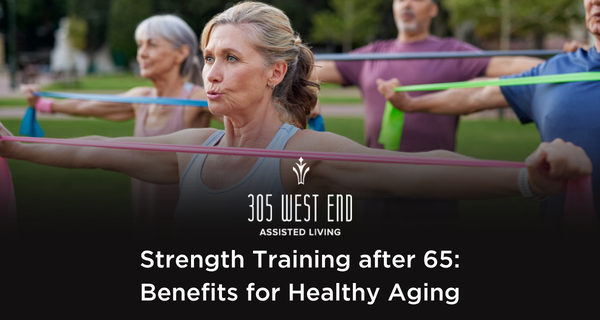
Resistance Band Exercises
Resistance bands are a versatile option for strength training because they provide adjustable levels of challenge without requiring heavy equipment. They can be used to strengthen:
- Shoulders and arms
- Upper back muscles
- Legs and hips
- Core stability
Because resistance bands are lightweight and portable, they are a convenient option for maintaining a consistent routine at home or while traveling.
Core and Balance Exercises
A strong core supports posture, stability, and balance. Exercises such as standing marches, heel-to-toe walks, and supported balance movements can help improve coordination and confidence.
Balance training is especially important because strength and stability work together to help prevent falls and support independence.
Read more about the best exercises for seniors to strengthen hips and reduce pain.
Tips for Starting a Strength Training Routine Safely
A successful strength training program is built on consistency, patience, and listening to your body.
Focus on Form Before Adding Weight
One of the most common mistakes when beginning strength training is focusing too quickly on increasing resistance. Proper form ensures that muscles are working effectively while reducing unnecessary strain.
Working with a qualified fitness professional can be especially helpful when learning the form for new exercises, making modifications, and building confidence.
Start Slowly and Progress Gradually
Strength develops over time. Begin with manageable movements and gradually increase repetitions, resistance, or intensity as your body becomes stronger.
Mild muscle soreness after a new workout can be normal, but sharp pain or discomfort is a signal to stop and reassess. Exercise should challenge you, but never cause injury.
Make Movement a Consistent Part of Your Routine
The benefits of strength training come from regular practice. Many people find success by creating a routine around movement, whether that means attending scheduled classes, working with a trainer, setting aside specific times each week for exercise, or finding a fitness buddy who is also looking to get started.
Consistency transforms strength training from a task into a lifestyle habit.
Strength Training, Nutrition, and Recovery: Supporting Your Results
Strength training is one important piece of a broader approach to wellness. To support muscle health and overall well-being, it’s important to consider the other factors that influence how the body responds to exercise.
Prioritize Protein and Balanced Nutrition
Adequate nutrition plays an important role in maintaining muscle mass as we age. Protein provides the building blocks needed for muscle repair and recovery, while a balanced diet rich in fruits, vegetables, whole grains, and healthy fats supports overall health.
many older adults benefit from discussing their individual nutritional needs with a healthcare provider or registered dietitian.
Practice Good Sleep Hygiene
Sleep is an essential part of recovery. During rest, the body repairs and adapts to the physical demands placed upon it.
Establishing healthy sleep habits can support energy levels, recovery, cognitive health, and overall wellness.
Continue Moving Throughout the Day
Strength training does not replace other forms of movement. Walking, stretching, flexibility exercises, and activities that support cardiovascular health all contribute to a well-rounded approach to healthy aging.
The goal is not simply to complete a workout. The goal is to build a lifestyle centered around movement and well-being.
Frequently Asked Questions about Strength Training after 65
Can you build muscle after age 65?
Yes. While muscle mass naturally changes with age, research shows that older adults can build strength and improve muscle function through consistent resistance training. The body continues to adapt and respond to exercise throughout our lifetime.
How often should older adults strength train?
Health organizations recommend muscle-strengthening activities at least two days per week, focusing on all major muscle groups. The ideal routine depends on individual goals, fitness level, and health considerations.
Is strength training better than cardio for older adults?
Both are important. Cardiovascular activities support heart health and endurance, while strength training helps maintain muscle mass, bone health, balance, and functional ability. A well-rounded fitness routine includes both.
Can strength training help prevent falls?
Strength training can support fall prevention by improving muscle strength, balance, coordination, and stability. Stronger muscles help the body respond more effectively during everyday movements.
Do older adults need to lift heavy weights to benefit from strength training?
No. Strength training can be effective using body weight, resistance bands, light weights, or other forms of resistance. The most important factors are proper technique, consistency, and gradually increasing challenge over time.
Supporting Lifelong Wellness at 305 West End
At 305 West End, wellness is viewed as an ongoing pursuit, one that supports not only physical health, but also independence, confidence, and the ability to continue enjoying everything life has to offer.
Thoughtfully designed fitness opportunities, personalized support, and a holistic approach to wellbeing allow residents to pursue healthy aging in a way that reflects their individual goals and interests.
Strength training is not about slowing down or limiting possibilites. It is about maintaining the strength and resilience needed to keep doing the things that matter most — exploring the neighborhood, connecting with others, pursuing passions, and embracing each day with confidence.

–
This blog was originally published in December 2019, was updated in June 2023, and again in July 2026.